
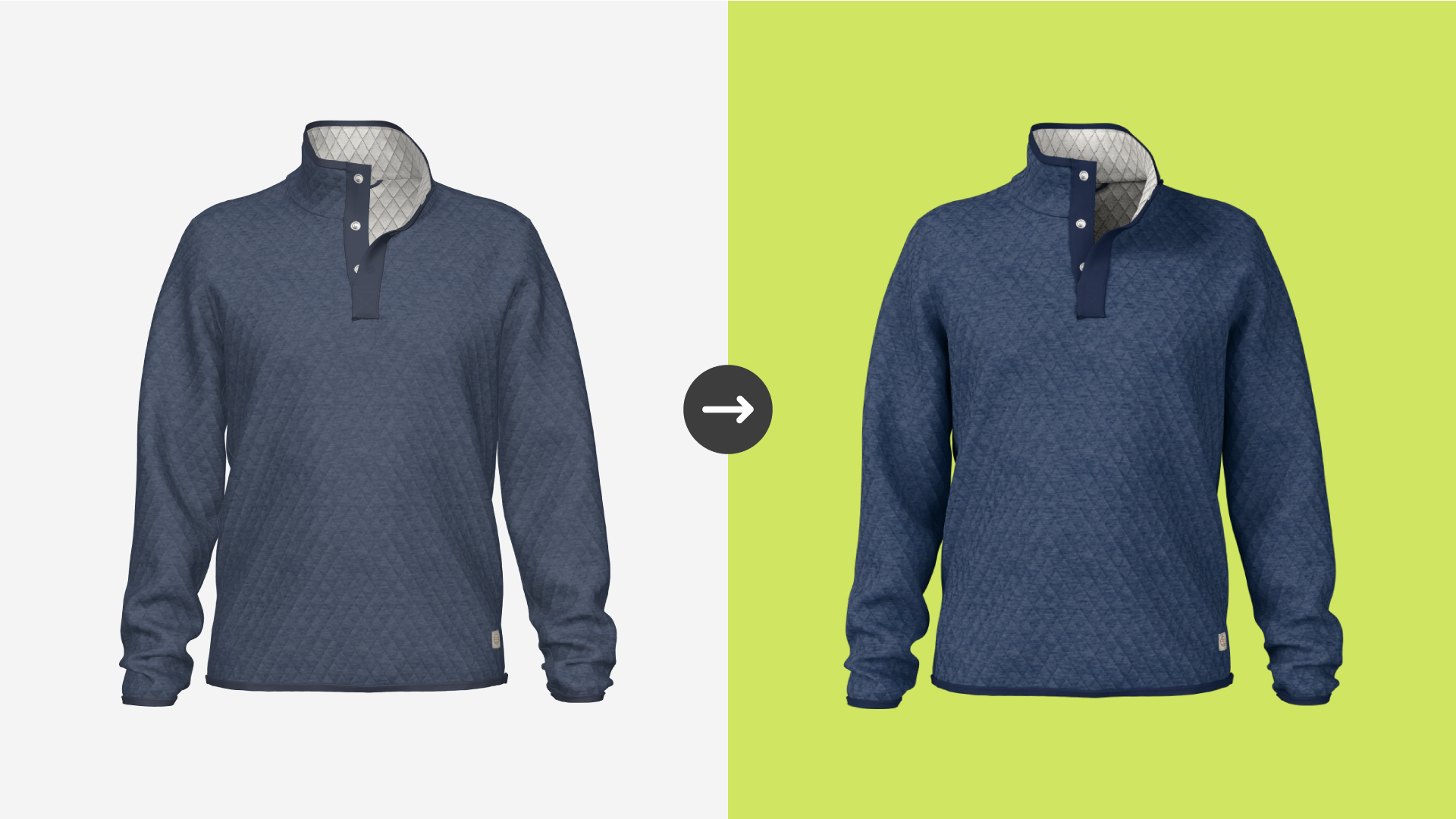
“We are now able to bring a level of realism to Decorator that previously was only available in ‘offline’ renders, where a result could take 20 minutes to produce.”
— Harrison Johnson, Product Manager, SEDDI
Creating a convincing digital representation of apparel is about much more than building a detailed 3D garment.
Perfect geometry and crisp textures aren’t enough to make digital clothing feel real. True believability happens when fabric physics, studio lighting, and camera optics react together exactly as they would on a physical photoshoot set.
SEDDI’s latest rendering update elevates digital apparel from “close enough” to photorealistic. We’ve brought together physically based rendering (PBR), neutral color calibration, professional studio lighting, and automated camera physics to make digital garments look and behave like their real-world counterparts.
The result is a more sophisticated approach to representing apparel digitally that’s designed to bring digital products even closer to the way their physical counterparts look in the real world.
But what actually makes a 3D garment look real?
What Is 3D Rendering?
Before getting into the technology, it helps to define the term.
Rendering is the process of turning a 3D digital scene into a finished image.
One way to think about it is like a professional photoshoot. The scene is everything set up for the shot: the room, the lighting, and the subject. In SEDDI’s case, the subject is a digital garment. The render is the final image that someone sees.
The rendering engine is the technology that processes all of that information to create the final image. Just as a camera plays an important role in photography by determining how a scene is captured, the rendering engine plays a similar role in 3D visualization by determining how the digital scene is translated into an image.
For a piece of apparel, the digital scene can include the garment’s 3D geometry, fabric properties, colors, textures, graphics, lighting, and camera settings. The rendering engine brings these elements together to calculate what the garment should look like from a particular viewpoint.
This is why two systems can use the same 3D apparel model but produce very different-looking images. The underlying rendering technology, materials, lighting, color handling, and camera settings all influence the final result.
That’s why rendering plays such an important role in creating realistic digital apparel.
Realism Starts With How Materials Behave
One of the biggest challenges in digital apparel is accurately representing the physical characteristics of fabric.
Different textiles interact with light in different ways. A soft cotton jersey, a fleece, a nylon performance fabric, and a satin material don’t reflect, absorb, or scatter light in the same way.
Simply assigning a color and texture to a 3D garment isn’t enough to recreate those differences.
Physically Based Rendering
SEDDI’s latest rendering advances incorporate physically based rendering (PBR) to create a more physically grounded representation of materials.
PBR is a rendering approach that models materials based on properties that influence how they interact with light in the real world. Instead of treating a material as simply a color or image placed on a surface, the rendering system accounts for characteristics that affect its visual response.
This can influence whether a fabric appears:
- Matte or reflective
- Smooth or textured
- Soft or structured
- Flat or dimensional
For example, the way light interacts with a fleece sweatshirt should look different from the way it interacts with a smooth performance fabric or satin garment.
The goal is not simply to add visual detail. It is to create a more believable relationship between the physical characteristics of a material and the way that material appears digitally.
That distinction becomes particularly important for apparel, where subtle differences in fabric can have a significant effect on how a product looks.
Why Color Accuracy Is More Complicated Than Matching a Color Value
Color might seem like one of the simplest aspects of digital apparel visualization: identify the color, assign it to the garment, and render it.
In reality, it’s considerably more complicated.
The color we perceive depends not only on the material itself, but also on the lighting environment, surface properties, exposure, display, and the way the rendered image handles the range of light and color information within the scene.
This is why the same material can appear dramatically different under different lighting conditions.
Neutral Color Calibration
Real-world studio lighting contains an immense range of brightness—a concept known as High Dynamic Range (HDR). While SEDDI’s engine calculates all those subtle shifts in light, a standard computer monitor can only display a fraction of that information.
Typically, 3D software bridges this gap by forcing the image through a cinematic filter—cranking up contrast or shifting warm tones to make images look like a movie. But in digital apparel, color isn’t an artistic choice—it’s the actual product. If a red jacket shifts toward orange under bright light, or a navy fabric looks jet black in shadow, the digital garment is no longer accurate.
SEDDI’s neutral color calibration translates complex HDR lighting onto your display without adding artificial color shifts. By preserving true color values across both bright highlights and deep folds, the garment on your screen remains an exact match to its physical counterpart.
Lighting Is What Makes a 3D Garment Feel Three-Dimensional
Even a highly detailed garment can look flat if the lighting isn’t right.
Think about professional apparel photography. A photographer doesn’t simply point a camera at a garment and turn on a light. Lighting is carefully considered to reveal the shape, texture, folds, and material characteristics of the product. The same principle applies to 3D visualization.
For SEDDI’s latest update, the lighting environment was developed in partnership with professional product photographers to recreate the qualities of a premium apparel photoshoot.
The lighting is designed to work consistently across apparel products and use cases while providing enough directional light to reveal the garment’s three-dimensional form.
Why Directional Lighting Matters
In high-end product photography, lighting isn’t meant to illuminate a garment uniformly—it’s engineered to sculpt it. Bringing real-world studio physics into the renderer translates lighting into tangible fabric detail:
- Grazing Light for Surface Texture: Low-angle directional light casts micro-shadows across the fabric surface, instantly distinguishing a heavy fleece from a smooth nylon or ribbed knit.
- Balanced Key & Fill for Structure: Precise lighting ratios define shoulder contours, collar rolls, and seam lines without blowing out highlights or crushing shadow detail.
- Gradated Shadows for Drape & Weight: Soft falloff across folds communicates the physical weight of the fabric, showing whether it hangs loosely or holds a stiff, structured shape.
“Rendering is completely unforgiving. The moment you introduce accurate, dramatic lighting and heighten every property of a garment, there is nowhere left to hide. A slight error in the fabric capture pipeline, an unnatural simulation artifact, or a bad camera setting instantly breaks the illusion and makes the image feel fake. Achieving this level of realism isn’t just a lighting upgrade—it’s the result of years of relentless, cross-disciplinary work from everyone across the entire SEDDI team.”
— Iván Alduán, Lead Software Engineer, SEDDI
Making Digital Fabric Feel Physical
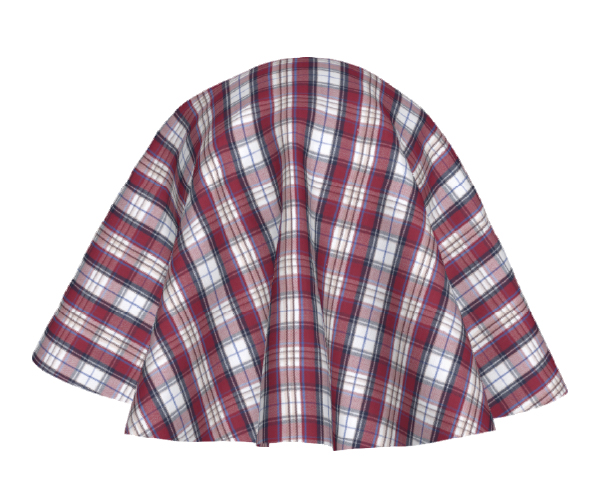
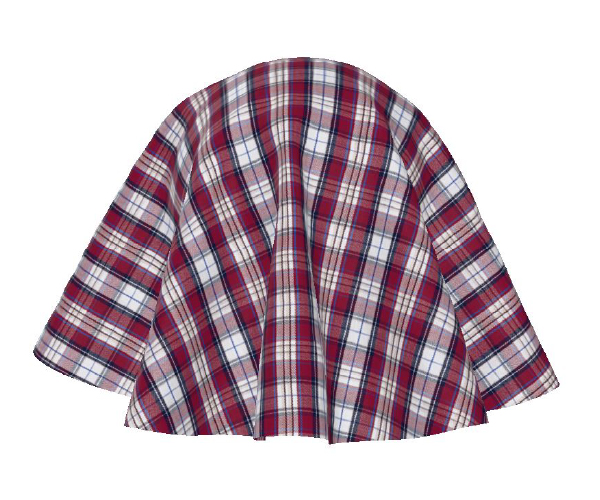
Previous VS New Rendering Technology
Real garments aren’t perfectly smooth. Fabric folds, drapes, stretches, bunches, and wrinkles according to the way a garment is constructed and worn. Those details are subtle, but they contribute significantly to how we perceive a piece of clothing.
SEDDI’s latest visual enhancements incorporate more natural garment wrinkling and styling, alongside refined lighting and material representation.
These details help the garment respond to light in ways that are consistent with its physical construction and material.
When those elements work together, folds and wrinkles can interact with light in ways that reinforce the perception of physical depth.
That is an important part of what separates a flat digital representation from a life-like 3D apparel visualization.
The Camera Is Part of the Visualization
There’s another factor that can be easy to overlook: how the product is viewed.
The same garment can look very different depending on camera position, framing, perspective, and exposure.
Professional product photography takes these factors into account when determining how a product should be presented. SEDDI’s updated camera settings bring some of those principles into the digital workflow through automatic camera adjustments aligned with professional photography best practices.
One important example is exposure. When exposure isn’t properly balanced, very light materials can lose definition and appear washed out, while dark materials can lose detail and appear overly flat. The updated camera approach helps whites appear white and blacks appear black while preserving the visual detail that distinguishes the material and garment.
Real-Time and High-Quality Rendering
SEDDI’s rendering technology supports different visualization needs, from interactive 3D experiences to higher-fidelity final imagery.
Real-time rendering is designed for responsiveness. When users are working with a digital garment, they need to be able to rotate, inspect, edit, and interact with the product without waiting for every change to be fully processed.
High-quality rendering, on the other hand, can prioritize visual fidelity and the finer details of the final image.
These are different requirements, but they share the same fundamental goal: representing a digital product as convincingly as possible.
The latest rendering advances inside SEDDI technology apply across both real-time and offline experiences, helping bring improvements in lighting, materials, color, and visual fidelity throughout the visualization workflow.
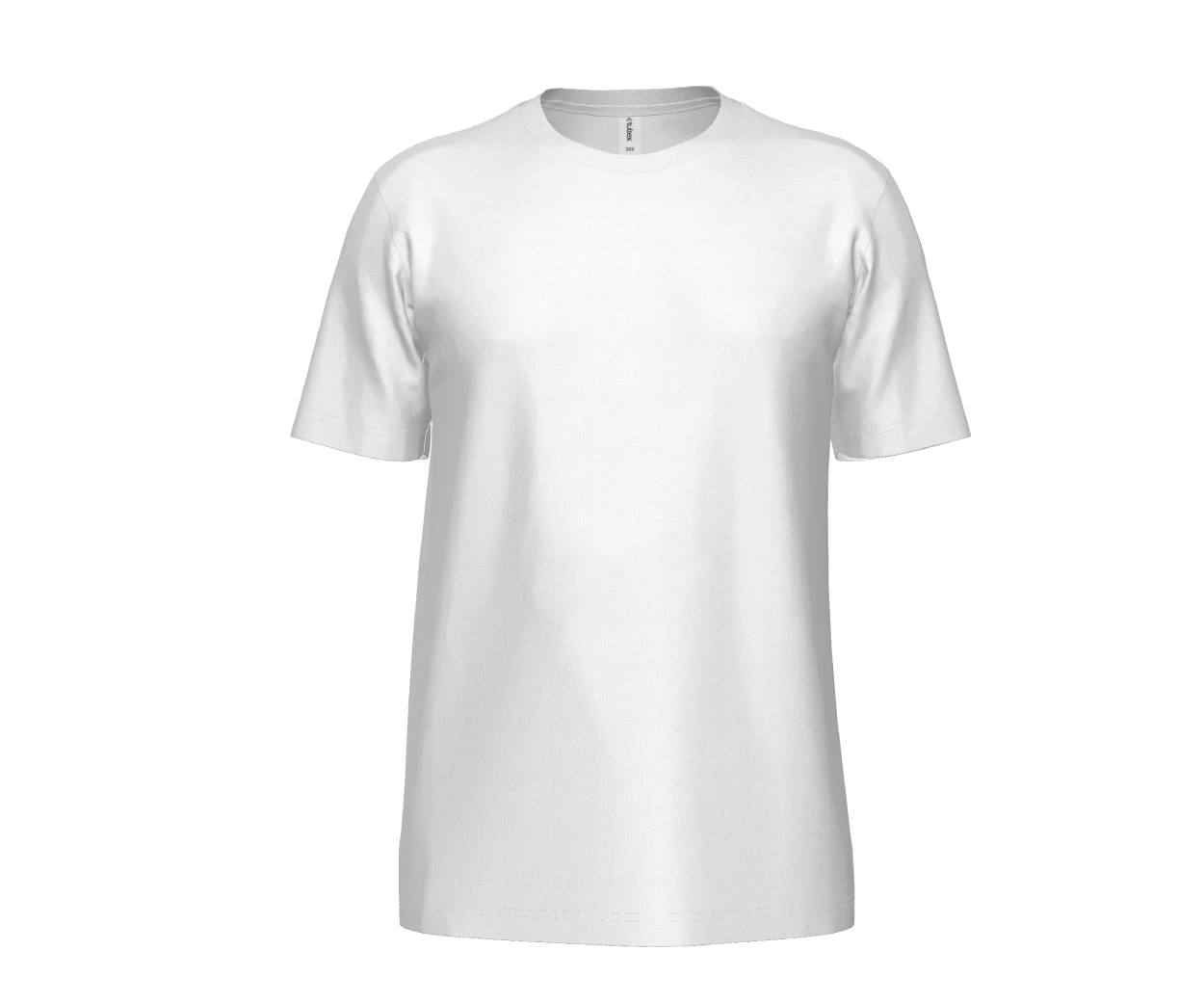
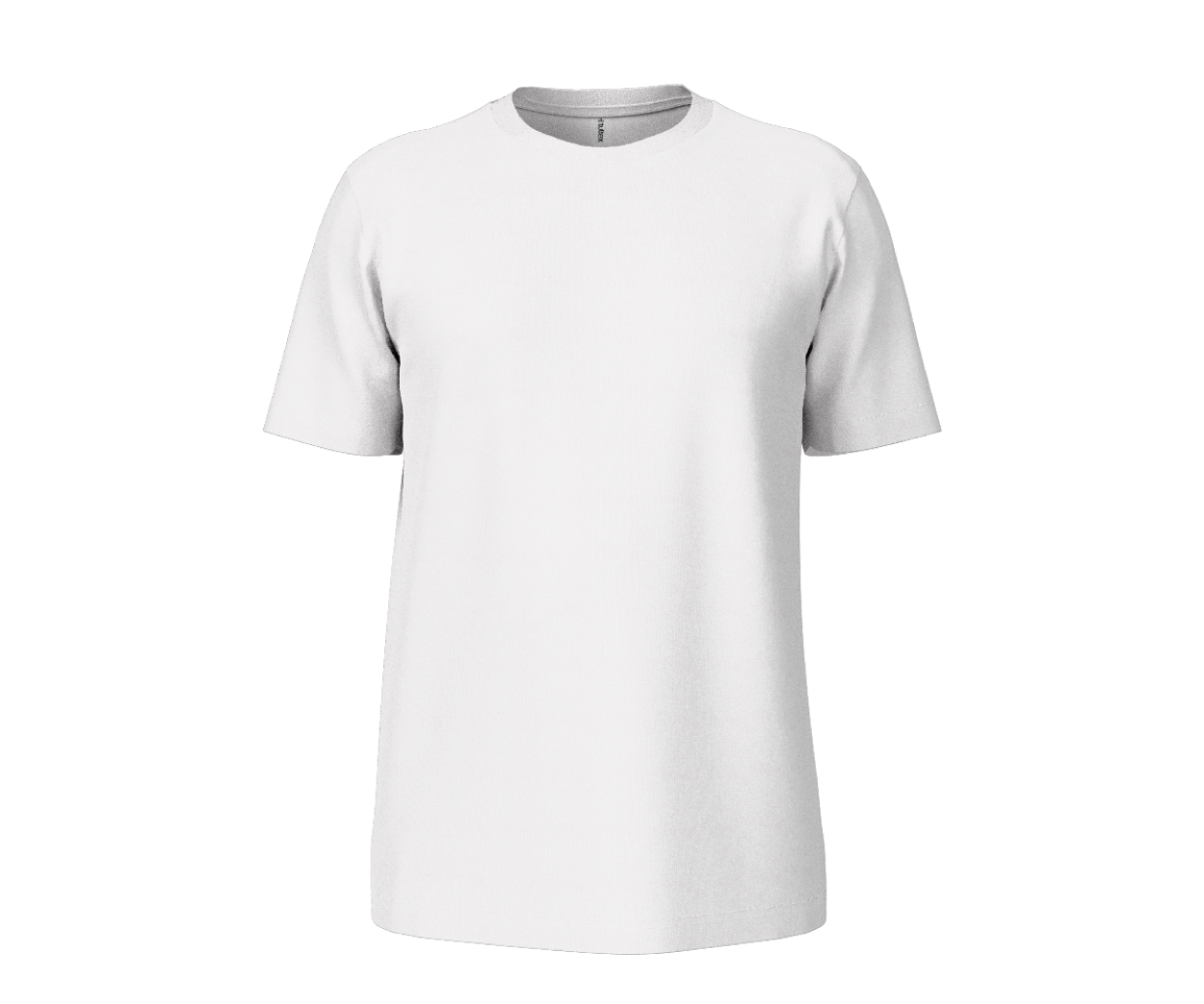
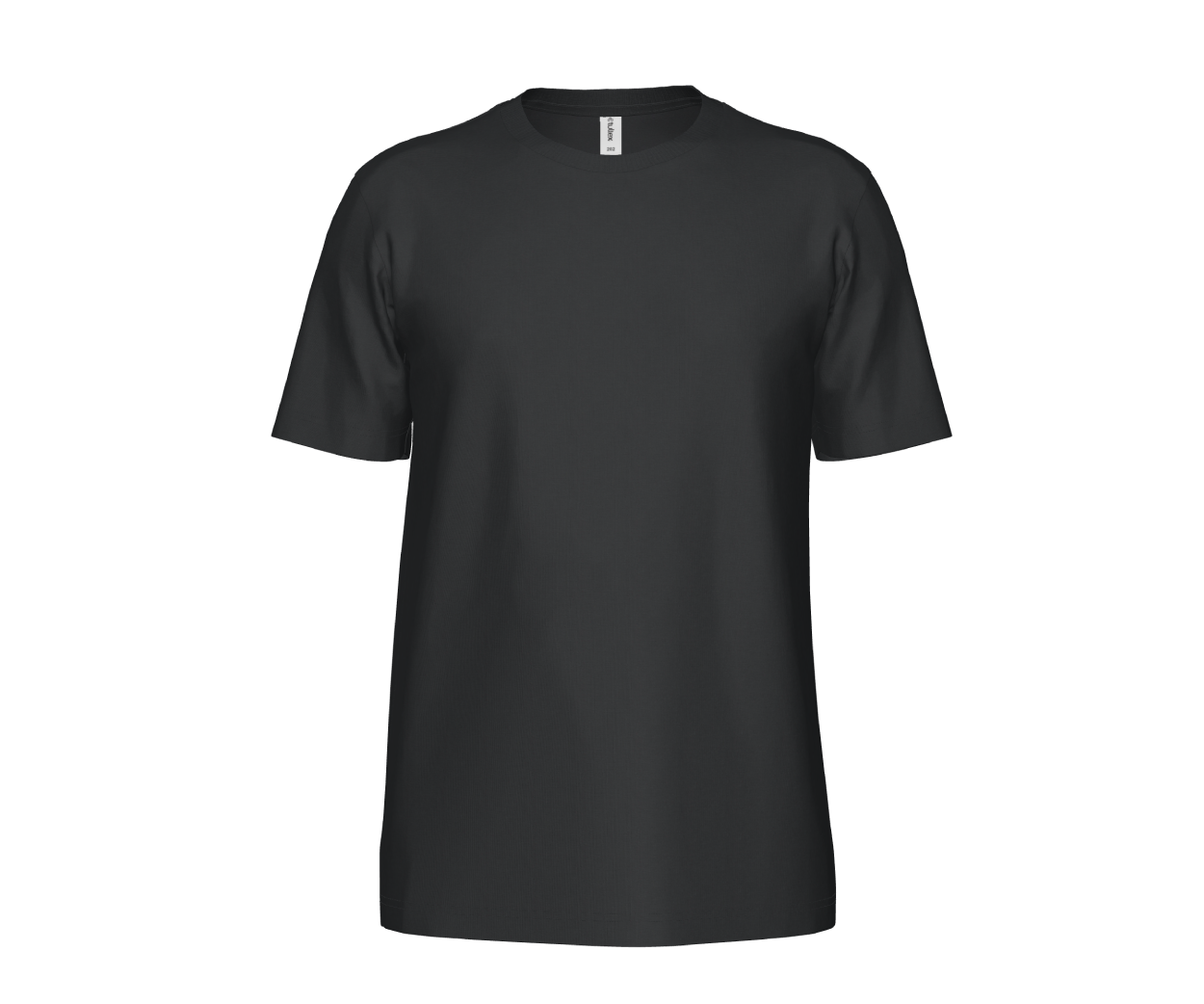
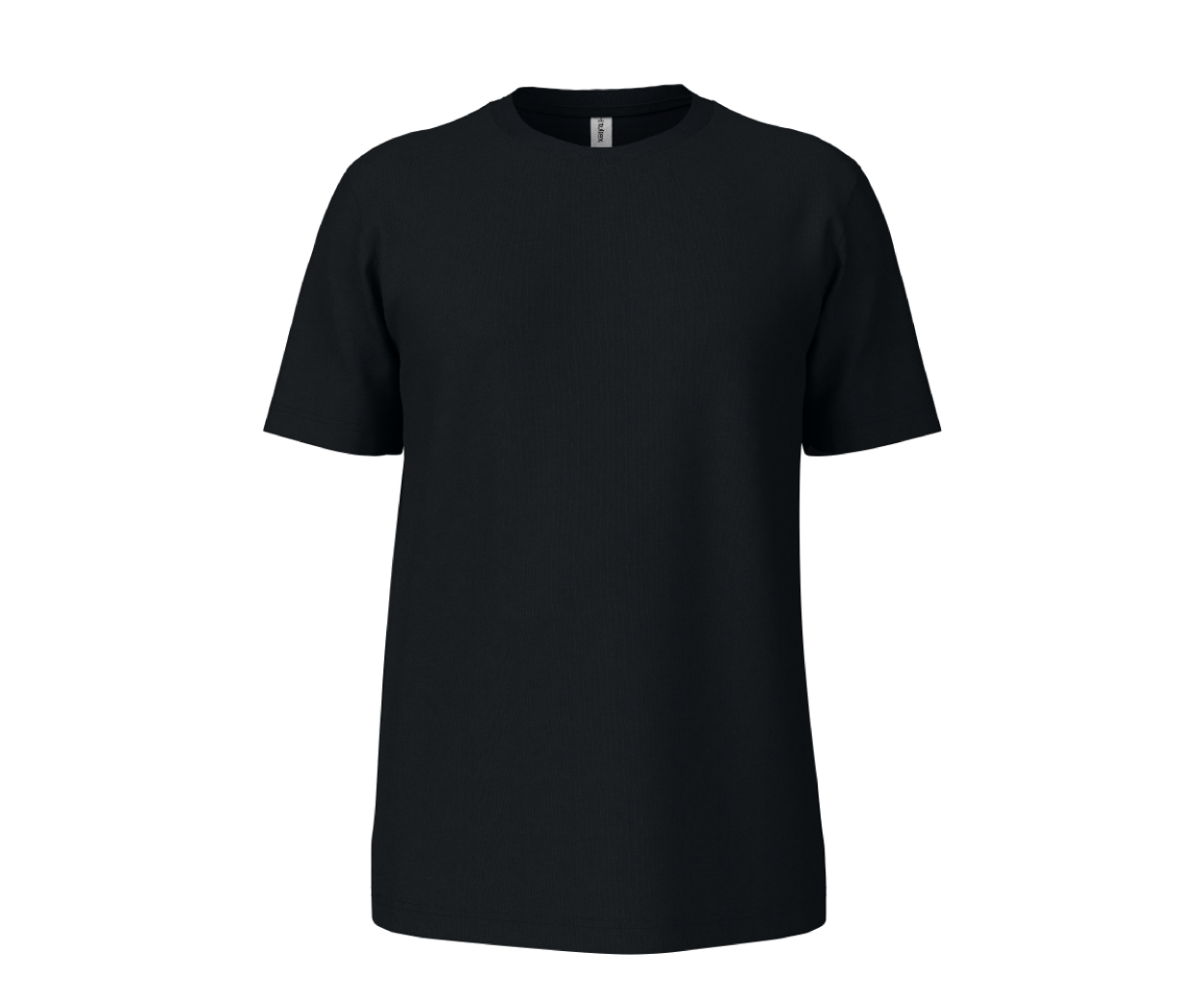
These adjustments also help establish appropriate framing and presentation for the garment, creating a more consistent and intentional view of the product.
In other words, realistic 3D apparel isn’t just about accurately building the digital garment. It also depends on accurately capturing and presenting that garment.
Bringing More Realism to the 3D Experience
SEDDI’s latest rendering advances improve the visual experience throughout the digital apparel workflow, from the 3D viewport to rendered images.
The update brings improvements in lighting, materials, color, and visual fidelity directly into the 3D experience. This means users can see the effects of the updated rendering technology while working with digital apparel in the viewport, as well as in the images they generate.
For Decorator, this means a level of realism that was previously associated with more time-intensive rendering processes can now be experienced directly within the product.
The result is a more consistent visual experience, with the same underlying advances in materials, lighting, color, and rendering contributing to both interactive 3D visualization and generated imagery.
Realism Comes From the Whole System
No single element makes 3D apparel look realistic. True believability happens when all the separate layers react together in total sync:
- Form & Drape: Geometry and styling determine how the garment sits, stretches, and folds.
- Material & Color: PBR properties and color calibration govern how the fabric texture and dye react under light.
- Lighting & Optics: Studio-grade light setups and camera exposure reveal depth, micro-textures, and surface contrast.
- The Render Engine: Integrates form, material, and light into a unified, life-like image.
Rendering technology is what brings these elements together, translating the digital garment and its physical characteristics into the final visual experience.
What Will Customers Notice?
While the technology behind the update is sophisticated, the result is straightforward: digital textiles and apparel in SEDDI products now look more life-like, more dimensional, and more closely connected to their physical counterparts.
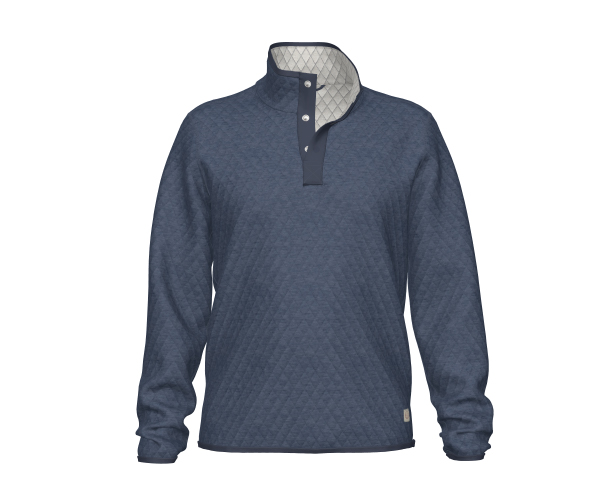
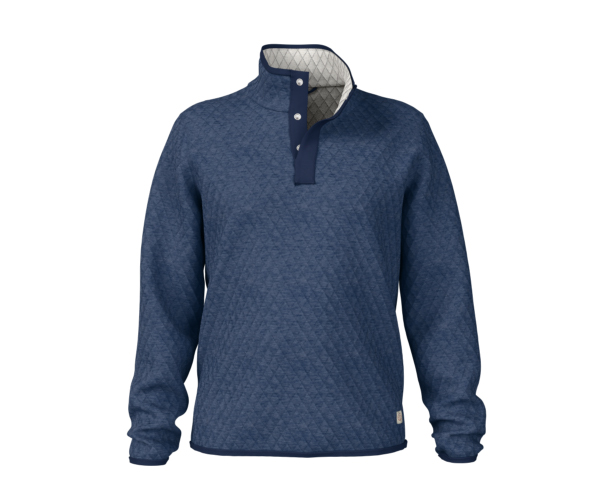
Previous VS New Rendering Technology
Following SEDDI’s latest rendering update, users may notice differences in:
- Color: Digital colors can more closely represent real-world materials, helping whites look white, blacks look black, and colors remain true to the product.
- Lighting: Garments have more natural depth and dimensionality.
- Materials: Fabric properties and surface detail are more clearly represented.
- Garment styling: Wrinkles and folds create a more natural, worn appearance.
- Camera presentation: Exposure and framing follow professional photography principles.
- Decoration: Applied decoration techniques can appear more naturally integrated with the garment.
Because the underlying technology responsible for generating these visuals has evolved, some products may look different from previous versions. These differences are an expected result of the new, even more accurate lighting, color, material, styling, and camera approach.
Why Rendering Technology Matters for Digital Apparel
As apparel workflows become increasingly digital, the quality of the digital product representation becomes increasingly important.
A digital garment can support many stages of the apparel product lifecycle, from design and development to merchandising, sales, e-commerce, collaboration, and production.
For the same digital representation to work across those applications, it needs to communicate the physical product convincingly.
That means color needs to be meaningful. Materials need to behave believably. Lighting needs to reflect the real world. And the final visualization needs to feel like a true representation of a physical product, not simply a 3D object on a screen.
This is why rendering technology is more than an image-quality feature.
It is part of the infrastructure that makes digital apparel useful.
Continuing to Raise the Bar
SEDDI’s latest rendering advances are another step toward making digital apparel more accurate, consistent, and useful across the product lifecycle.
By bringing together physically based rendering, neutral tone mapping, professional photography principles, refined material representation, realistic garment styling, and intelligent camera settings, SEDDI is continuing to advance how physical apparel can be represented digitally.
The objective is simple: make digital apparel increasingly accurate and useful.
And as more of the apparel industry moves from physical processes toward digital workflows, the quality of that digital representation will matter more than ever.

 English
 French
 Spanish