
The New Visual Standard for Modern
Print Shops
Modern print shops are under more pressure than ever to move mountains while maintaining accuracy across approvals, production, and customer communication.
Customer expectations in the custom apparel industry have evolved quickly, while many shop workflows still rely on outdated processes. Buyers increasingly expect polished presentations, accurate proofs, fast turnaround times, and clear communication throughout the ordering process. When those pieces are aligned, approvals move faster, production runs more smoothly, and customer relationships become easier to maintain. Traditional mockups and disconnected workflows, on the other hand, often create unnecessary friction between sales, approvals, and production.
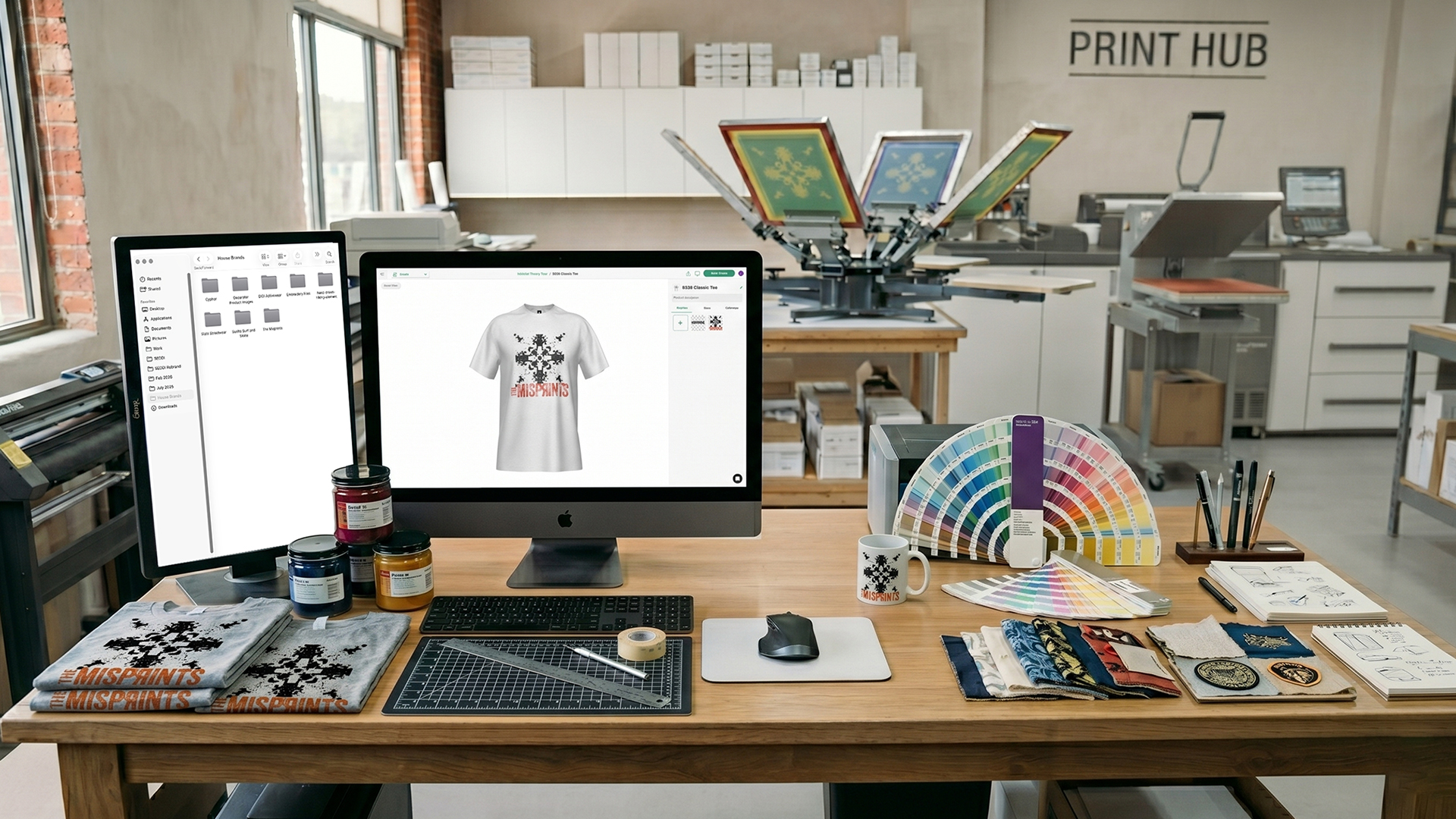
In our recent webinar, The New Visual Standard for Modern Print Shops, Kaleb Courtois from SEDDI sat down with Korey Duncombe, Director of Operations at Extreme Screen Prints, to discuss how their shop evolved from a contract-focused production environment into a more customer-facing operation, and why accurate 3D visuals became essential to supporting that transition.
Why Traditional Mockups Create Problems in Production
Approximation vs Production-Aligned Visualization
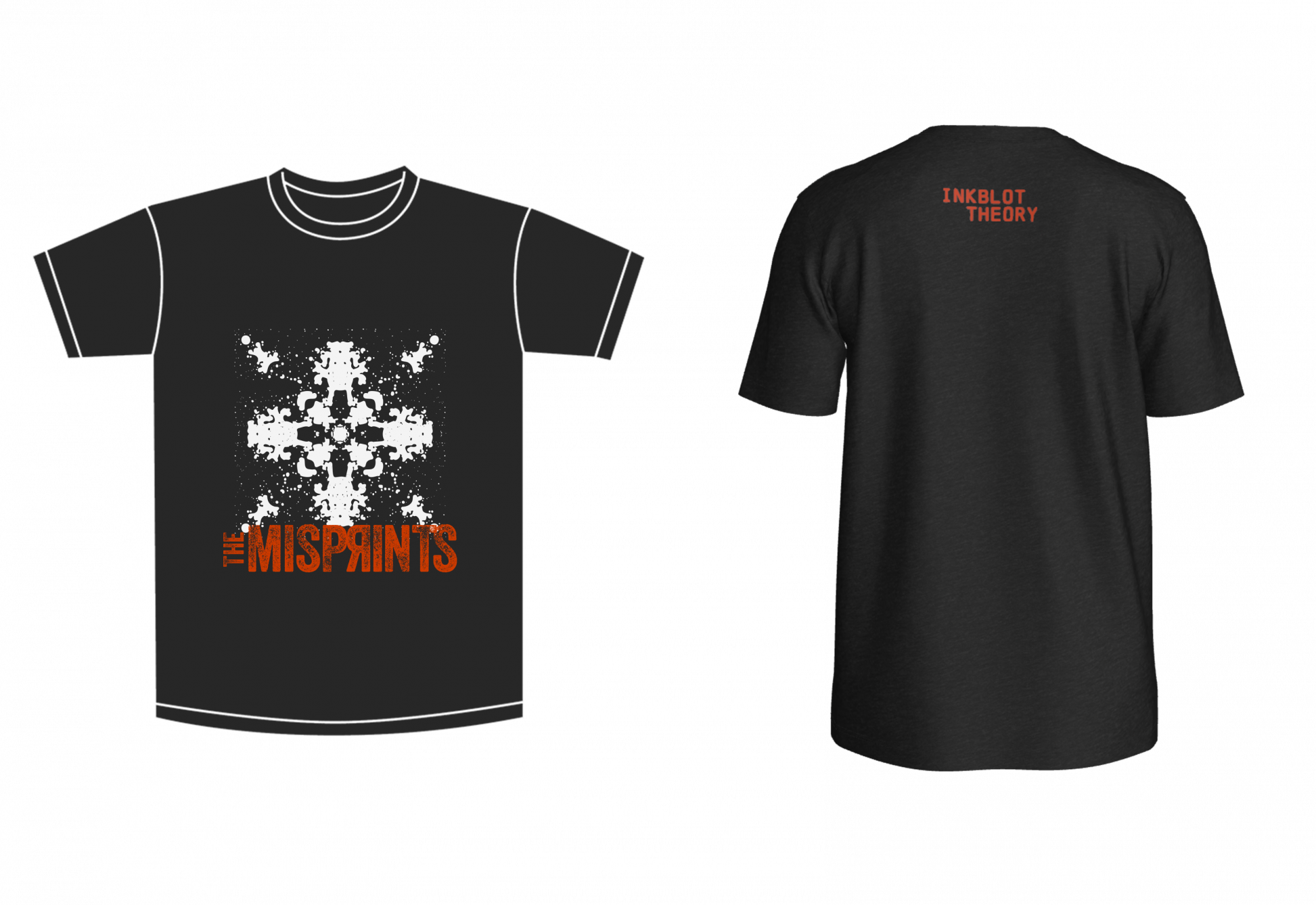
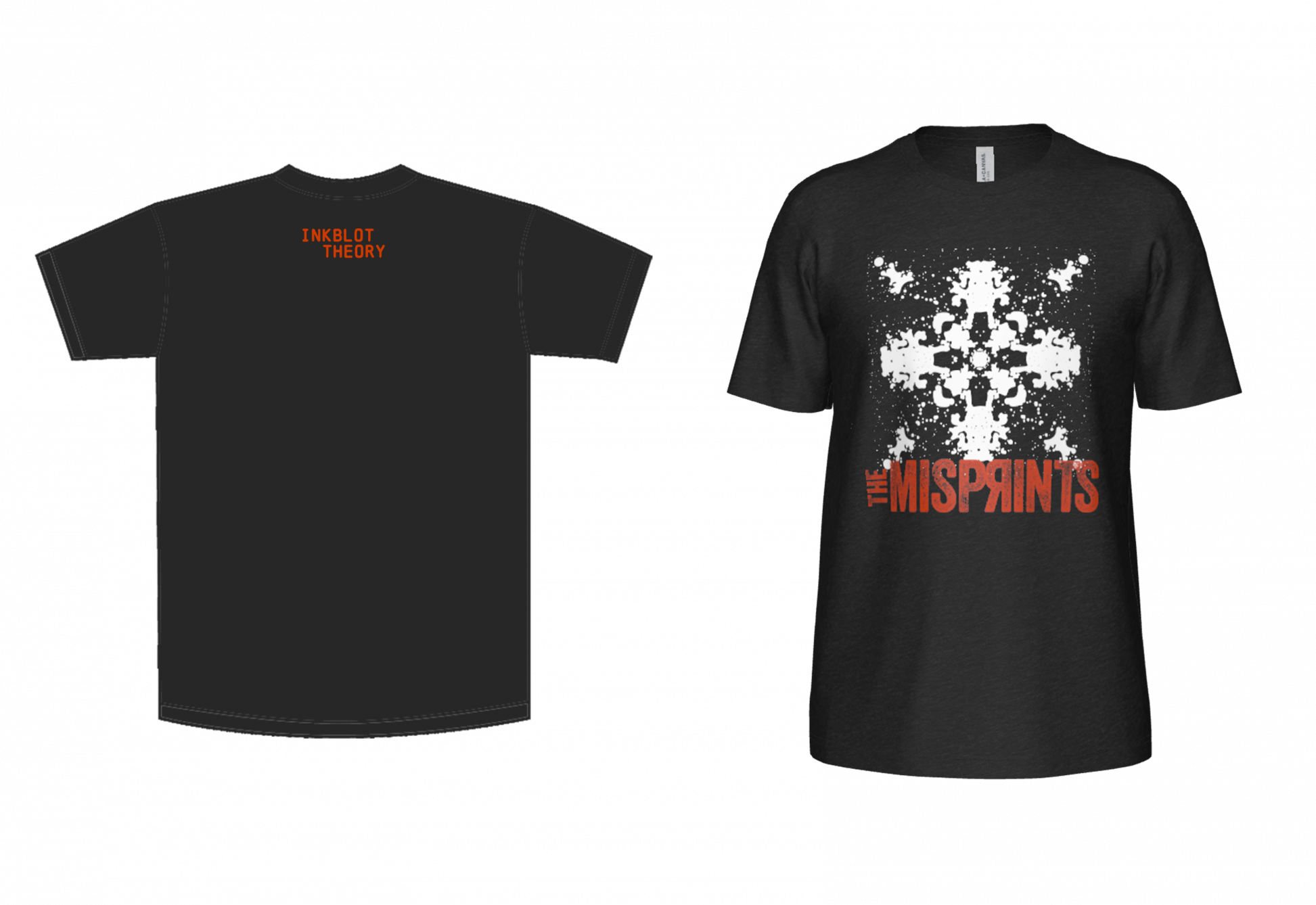
One of the biggest themes throughout the conversation was the growing disconnect between what customers see during approvals and what actually arrives on press.
As Korey explained, many shops still rely on outdated mockup methods:
Generic Photoshop templates
Flat garment images
Approximate logo placement
Manually written production notes
Separate proof sheets disconnected from production
Those methods become increasingly difficult when shops work with:
Oversized blanks
Drop shoulders
Heavyweight garments
Multiple decoration locations
Complex collections with multiple SKUs and colorways
The result is often unnecessary back-and-forth, production delays, or costly reprints caused by misaligned expectations.
“We were still making our mock-ups internally, just using Photoshop and Illustrator… but the industry started opening up all these crazy blank styles… and it was no longer practical for us to use this one Photoshop file.”
The Real Cost of Miscommunication in Print Production
A major takeaway from the webinar was that most operational slowdowns were not caused by printing itself. They were caused by communication gaps before production even began.
According to Korey, even small inconsistencies in sizing or placement could stop production entirely:
- Customers questioning placement after approval
- Graphics not matching mockups on press
- Production teams pausing jobs to verify measurements
- Orders being remade to preserve customer relationships
For shops handling dozens or hundreds of orders per month, those interruptions compound quickly.
“If it ended up on press and it got printed and it doesn’t look like the mock-up… we’ll stop the job, take it down, fix it, and remake the whole thing.”
That level of caution protects customer relationships, but it also creates operational inefficiency that modern shops increasingly cannot afford.
Why Accurate 3D Mockups Change the Workflow
After implementing SEDDI Decorator, Extreme Screen Prints replaced much of their traditional mockup process with accurate-to-scale 3D product visuals.
Instead of building proofs manually in Photoshop, their team could:
- Select real-world blank styles
- Place artwork directly on accurate 3D garments
- Show realistic sizing and placement
- Export professional visuals instantly
- Generate production-ready tech packs
Because the placement data remains connected to the product itself, the same information carries downstream into production.
For Korey’s team, one of the biggest operational improvements was simply reducing uncertainty.
“The biggest and most impactful piece was literally just correct size and correct placement and a correct visual.”
Faster Approvals Without Sacrificing Accuracy
The webinar also highlighted how visual quality directly affects approval speed.
Traditional proofs often require additional explanation because customers struggle to interpret flat mockups or visualize how graphics will look on the final garment. More realistic presentations reduce hesitation and minimize clarification requests.
SEDDI Decorator allowed the team at Extreme Screen Prints to present:
- Full collections
- Multiple colorways
- Front and back placements
- Different garment styles
- Realistic oversized and heavyweight blanks
all within a consistent visual environment.
“We can present as much as they want to see, so they have a better idea of what to expect across the board.”
That consistency helped create smoother approvals while also improving customer confidence during the sales process.
Creating a Single Source of Truth for Production
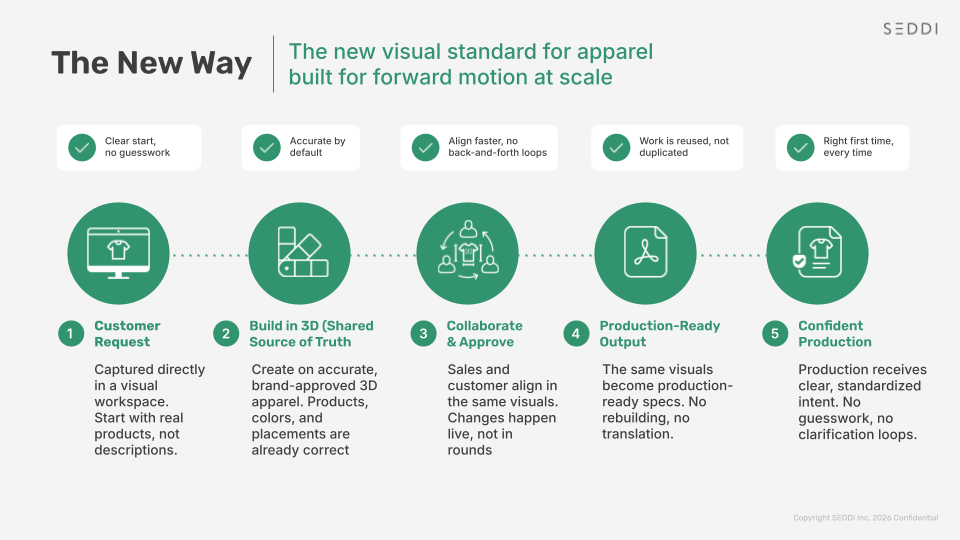
Another major operational shift discussed during the webinar was the idea of creating a centralized visual workflow.
Instead of relying on disconnected emails, handwritten notes, or separate proof documents, SEDDI became a shared visual reference point across departments.
Korey described the platform as becoming:
“This source of truth… this route for all of our information that’s being processed through production.”
That visibility helped reduce the need for constant clarification between:
Sales teams → Customer service → Art departments → Production managers → Press operators
The result was fewer interruptions on the production floor and more confidence that everyone was working from the same information.
Moving Beyond Static Proofs with Automated Tech Packs
One of the most important workflow changes for Extreme Screen Prints was transitioning away from manually created proof sheets.
Instead, the shop began using automated tech packs generated directly from approved products inside Decorator.
These tech packs included:
- Graphic placement
- Sizing information
- Decoration technique
- Product visuals
- Production references
Because the information originates directly from the approved mockup, there is less duplication and less room for manual error.
“The SEDDI tech pack is perfect… we’re spending even more time just making these proofs. Now we can pair the tech pack into Printavo and send that off for approval.”
The Shift Happening Across the Industry
A recurring theme throughout the webinar was that customer expectations are changing.
Buyers are becoming accustomed to polished digital experiences across nearly every industry. In apparel decoration, many shops are still operating with fragmented workflows and outdated visual tools.
According to Korey, more accurate and connected workflows are becoming necessary not only for production efficiency, but also for competitiveness.
“The more people that use SEDDI, it’s going to strengthen our entire industry… strengthen response time, make customers happier, and resolve a lot of issues.”
As print shops continue balancing tighter timelines, labor constraints, and growing customer expectations, visual alignment between sales, approvals, and production is becoming a much more important operational advantage.
See SEDDI Decorator in Action
If your shop is still relying on flat mockups, disconnected proofs, or manual production notes, it may be time to rethink the visual workflow behind your operation.
SEDDI Decorator helps modern print shops create accurate 3D mockups, generate automated tech packs, and align approvals with production from the very beginning of the process.

 English
 French
 Spanish